Ten Tips
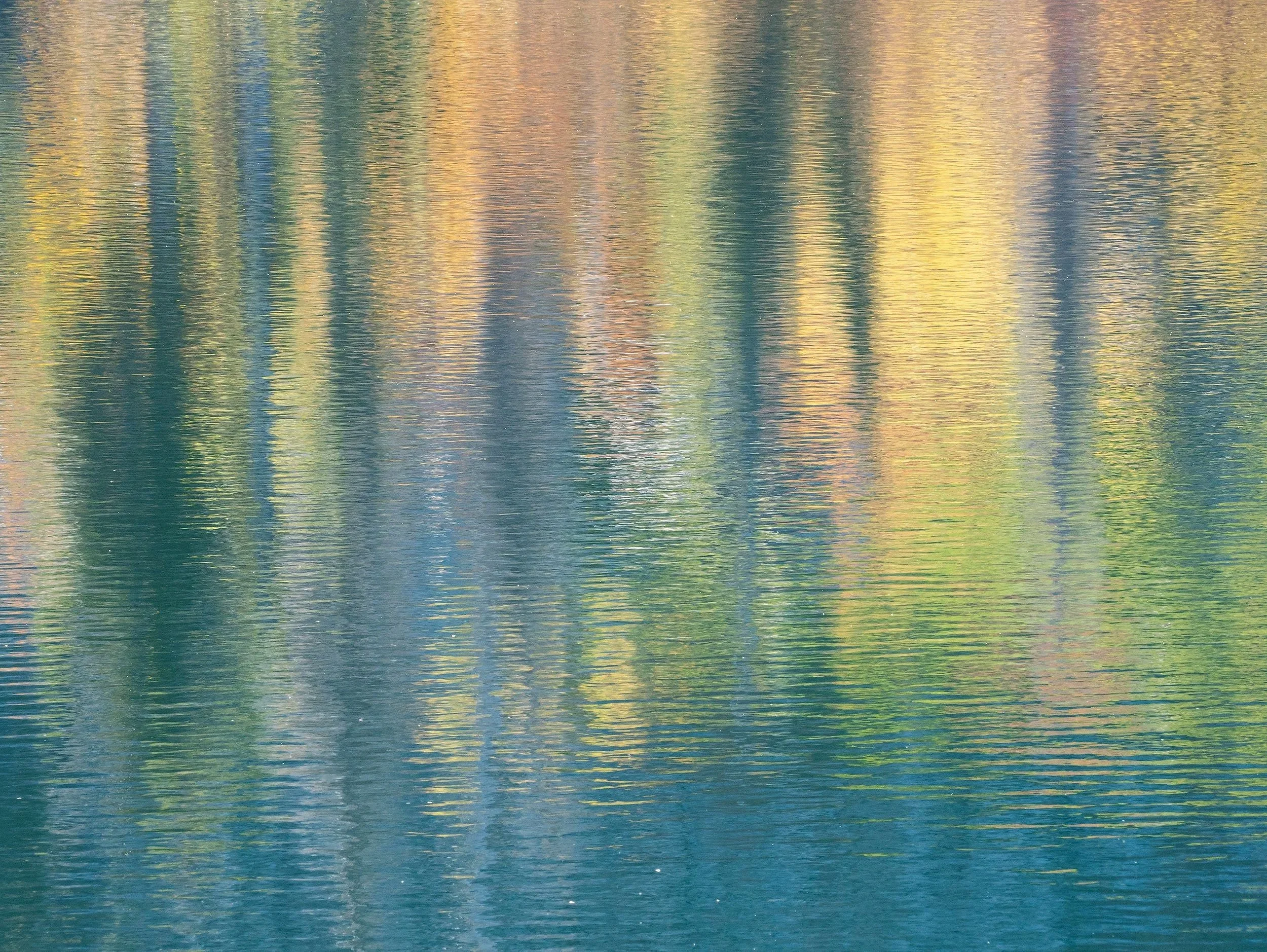
Folks sometimes ask: “How do I get started doing what you’re doing?” So OK, here, in the briefest of bullet points, is what I’ll say.
Note that these tips are in a certain order, with the nuts-and-bolts, tech-weeny stuff up top, and the more oblique points below. Yes, do learn the basics, but really, the later tips are even more important!
I could go on and on about each of these subjects, and I started to do so, but it was getting clunky...and I decided to save all that for another day. So, at least for now, it's just the barest of bones…
1. First get a camera, any camera. Big, sharp prints may want more pixels, but if you’re not planning that, lots of affordable cameras—both new and used—will work. Advancements have leveled off in recent years.
Digital or film? Even if you’re attracted to the retro romance of film, I’d say start with digital: it’s easier to learn with and gives you some instant feedback.
I don’t use phones much myself because I like to look through a viewfinder, and not at a shiny screen that’s jerking around and that I can’t quite see. I also want better resolution and better control. But yes, phones can work.
Whatever you pick, it’s nice to have some manual controls—at least the ability to dial exposure lighter or darker, and, if you have autofocus, the means to override it manually. It’s also handy if your camera takes interchangeable lenses—but otherwise, look for an optical zoom range that runs from at least mildly “wide” to mildly “telephoto.” You don’t want a digital zoom, which is just cropping—you can do that yourself. I’d suggest a camera that shoots in RAW format, not just jpeg, though the latter has gotten better.
But one way or the other, don’t let the camera stop you!
2. Learn the buttons—or at least some of them. Even if you’re allergic to owner’s manuals, take a little time to find a path through the camera menus and settings that works for you, then skip the rest—at least for now. Keep it simple!
3. Learn a little bit about exposure. OK, you will want a basic grasp of aperture, shutter speed, and ISO, the holy trinity of exposure. In-camera meters have gotten quite good, and makers hype the hundred ways their models can figure exposure…but really, any way you slice it, it all comes down to those three interlocking things. No need for bells and whistles.
If your camera has a histogram, learn to read it! This is a preview or readout that’s in graph form with shadows on one end and highlights on the other. Very helpful.
And while we’re at it, sorry, I’ll sneak in two more terms to know: Depth of field and dynamic range.
(Hmmm…Maybe this exposure stuff is calling for a wee dram more info…? Coming up!)
4. Get a tripod. Or don’t. Tripods allow maximum sharpness and also slow you down—which is often a good thing, as it gives you a chance to study the scene. On the other hand, today’s dslr and mirrorless cameras are much improved at higher ISO speeds that then allow faster handheld shutter speeds—and thus less blur. Some bodies and lenses also have built-in image stabilization, so…consider the “freedom” of handheld flow, too.
5. Start exploring! Got your gear? Now learn to see like a camera sees. And/or figure out how to make the camera see like YOU. To kickstart your sense of composition, I’d suggest taking a walk or two or three and simply looking through the camera from all angles—without intending to take any pictures. Or, even better, set the camera aside and try a simple framing card. (See “Frame Your World”). Aim to simplify, simplify, simplify before—maybe—building things back up. (Also see “A Field of Meanings.”) It’s all about balance and feeling: when it’s right, you’ll know it.
6. Find your subjects. Which, by the way, are also about YOU. (And I’m not talking selfies.) It’s surprising how often people are looking for some image they saw somewhere else…and not at what’s in front of them. Your world may be just one thing, or it might be everything. Follow your heart on this one. Really.
7. Think color. This one goes hand-in-hand with Tip #6, and that’s because color is not an accident, and it’s not just window dressing—it’s subject matter, too. And emotion. And meaning. Whether it’s light, dark, warm, cool, pale, bold, tinted, or primary, color is visual language. What’s your personal palette?
8. Watch the light. Light is the love that brings it all together. There’s front light, back light, rim light, side light, top light, bounce light, diffuse light, fog, high overcast, and the smooth, warm indirect light before sunrise and after sunset. (See “Where’s the Light?”) No need to feel overwhelmed here: just look around.
9. Make lots of bad pictures. I sure do, all the time! But if you look closely at your “mistakes,” and work to understand why they’re not working, you’ll start making better pictures. Get your reps in! Again, digital helps here, ‘cause you can make all the exposures you want, largely for free. And then just toss ‘em.
10. Finally, forget about the camera. At this point you’re looking and feeling and playing with light and framing—and both you and the camera disappear. You’re no longer just fretting over yet another electronic gizmo—and who needs more of that?
Which, circling back around, brings us to bonus Tip #11: Be sure to have some fun!
By Scott Atkinson
Contents copyright 2026. All rights reserved.