The Year of the Buckeye
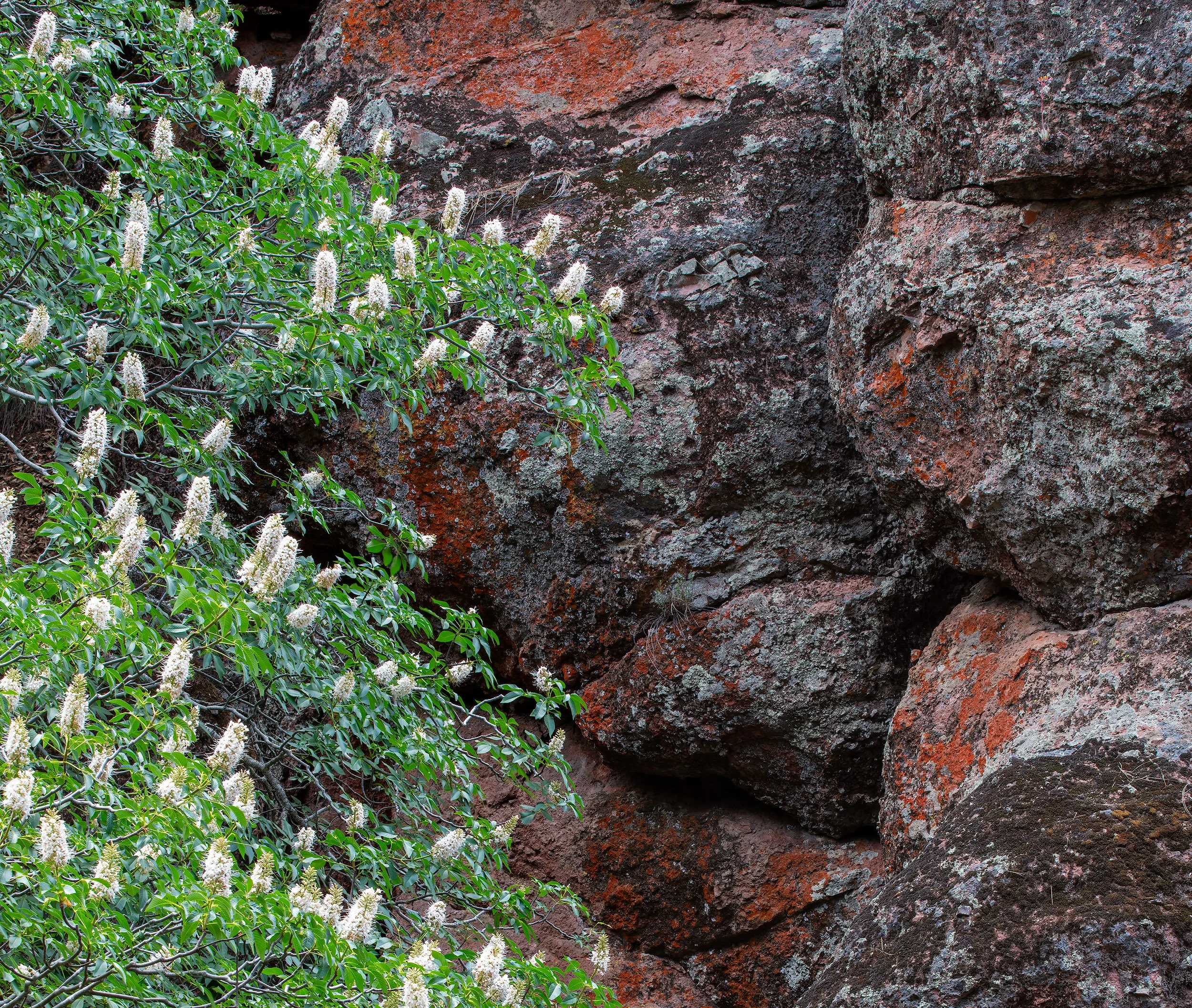
If anything is a true California native, it's the buckeye.
I love shooting buckeyes in all seasons. They chart their own special voyage through the California year…and I gladly follow.
And what a varied year it is! Stripped and twisted on New Year’s Day, the trunks glow silvery with darker greys, the bare branches are tinged in browns, and down in the canyons, all may be draped with sage-colored lace lichens and dressed in thick green moss, too. Their tangled textures and gestures speak winter’s hushed language.
But just days or weeks later, new buds bump out along the bare branch tips—first a small reddish-brown, then a swelling green—and finally, there’s a bursting and unfurling and flying of achingly fresh yellow-green flags in tiny, five-fingered clusters. It’s springtime in January!
Those leaves grow bigger and become a denser, darker, slightly bluer canopy. It seems the buckeyes are settling down into adult days and ways.
But then, suddenly, in late April or early May, they burst forth yet again with a riot of startling, 8-inch, white-and-pale-pink flower spikes. Who would have thought?!
Come early summer, this waterwise Californian cuts its losses and the leaves dry quickly to a rusty red-orange, then may drop altogether to preserve precious water in the rocky, dry spots where the tree often lives. It’s like autumn in August.
And by Halloween, there's little left on the branches but the big, spooky, leathery seed casings, bobbing like pears on a breeze, silhouetted by the harvest moon. Those casings start to split and the round, glossy, chestnut-brown buckeye balls inside tumble to the ground. (These are California’s largest seeds—beautiful, but toxic. Don’t try eating them!)
Then winter returns. Green mosses and ferns once more coat the trunks in cold canyons. Lichens wave from the bare branches, blown by early storms. Quiet, blue afternoon light colors the greys when the sun sinks below the hills. Dampness from rain adds depth to the swirling tangles. And onward we go.
The annual rhythms of native plants and animals can point us home, too. Sometimes it’s something subtle, like manzanita flowers. Or maybe ceanothus in bloom. Or desert ironwood. Or velella velella (“By-the-wind sailors”) cast up along the beach. Swirls of lodgepole pine pollen on a summer Sierra lake. The call of a Clark’s Nutcracker from a bristlecone’s pointy crown. Buckwheat. Toyon berries. Even poison oak has its festive fall colors. They aren’t redwoods, but they’re roadmaps.
These are the real California seasons.
The buckeye, like those other signposts, is almost utterly unsung…except, sometimes, for those showy, fragrant flowers that are springing forth right about now. Native bees, butterflies, and hummers swirl around me as I photograph by the side of the road. Drivers, perhaps guided by my camera and tripod, pull up next to me, roll down their window, and ask: "What the heck is that tree?!!"
Why, it’s a buckeye.
By Scott Atkinson
Contents copyright 2026. All rights reserved.